 by
by The domain name has long ceased to be just a line in the browser’s address bar. It works as a sign of belonging, as a trust filter, and as a practical promotion tool. Especially in the local market: people there recognize “their own” faster, are stricter about the stability of the site, and more often expect compliance with local rules. It’s also easier to lose a client over a small thing. For example, due to slow loading or a strange feeling that the site is “not from here.”
Local Domain: Trust, Recognition, Regional Relevance

A local domain is not a decoration or a whim. It’s a signal. It helps to form a local identity and immediately sets a clear geographical reference: where the business operates, what audience it is designed for, in what context it speaks, and howqa domain name is perceived by users who expect local relevance. User trust grows not from slogans, but from matching expectations with reality. And the domain name is more influential here than it seems.
There is also a practical side. A local domain increases regional relevance, which means it indirectly helps in local SEO. The search engine better “understands” that the site is made for local traffic. Queries, content, and audience are more likely to match. As a result, search visibility increases, and clickability in search results becomes higher, because the address looks familiar and appropriate.
Plus brand perception. The national domain zone makes the address shorter, easier to remember, and easier to communicate with. For the local market, this works as a quick “we are close” marker.
Speed And Local Hosting: When 1 Second Costs Money
Website performance is not a topic for perfectionists. This is a topic for those who count conversions. There is a specific figure in the material: a 1-second download delay can reduce conversion by up to 7%. And it’s not an abstraction, especially for e-commerce. The user will not wait. He’ll leave. He will close the tab. He’ll buy from someone else.
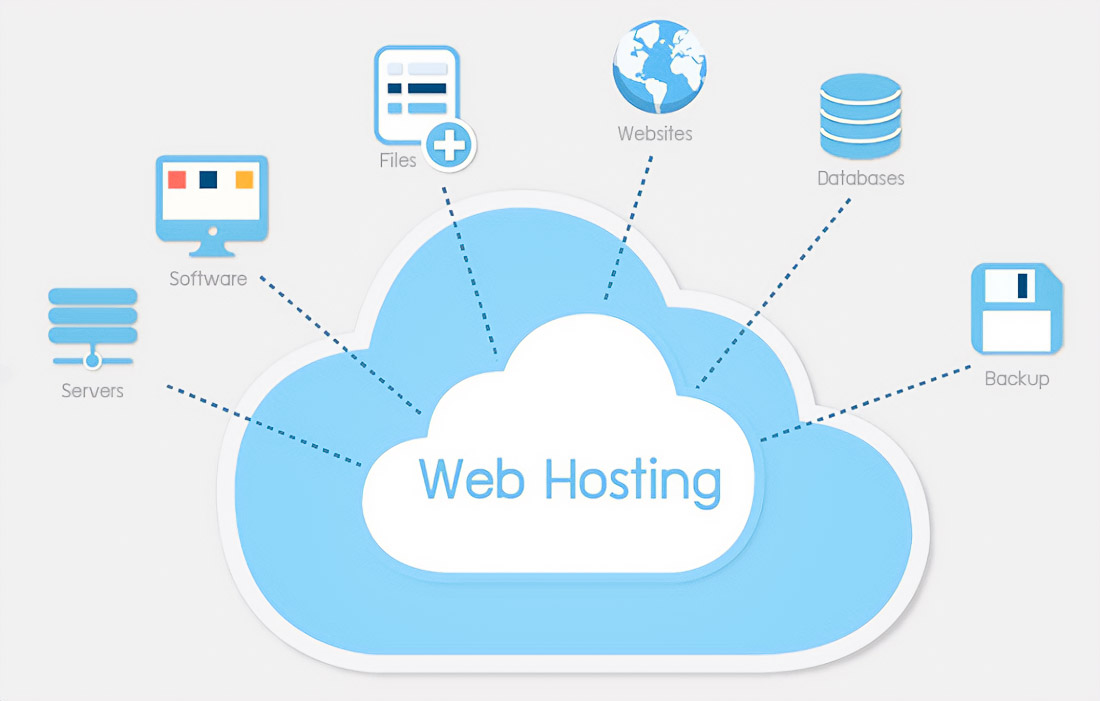
Local hosting solves some of the problems without complicated magic. A server in the country reduces latency, speeds up response, and increases site stability. This affects the user experience: less “freezes”, fewer errors, less irritation. This means that there is a higher chance of getting the user to the shopping cart and paying.
There is also the issue of peak loads. Seasonal sales, holidays, sudden spikes in orders all this tests the infrastructure for strength. Scalability and willingness to grow are becoming not a wish, but a prerequisite.
Rules, License, And Domain Lifecycle: Order Instead Of Surprises

It is important to remember a simple thing: a domain is not a property, but a domain license. The validity period of such a license can be from 1 to 5 years. It needs to be extended. And you need to monitor the data. The owner’s contact information must be up-to-date; otherwise, the license may be suspended or cancelled. This is already a matter of regulatory compliance and responsibility.
The material also describes the domain lifecycle. There is a three-day grace period after registration or renewal, when you can cancel the action. There is an expiration stage: if you do not renew on time, the domain falls into “Expired Hold”, stops working normally, but can still be restored. After the expiration, a period of up to 30 days is mentioned, followed by a short “Expired Pending Purge” stage lasting 1 day, and then the domain is deleted and becomes available again.
A separate topic is the Arabic domain and IDN. For such addresses, Unicode rules apply, as well as the ability to request up to 5 active domain variants. This reduces the risk of confusion, enhances cultural adaptation, and supports local identity.
In the end, it all comes down to one thing: a local domain, local hosting, compliance with the rules, data protection, and site stability are a single system. It works for trust, for SEO, and for conversion.